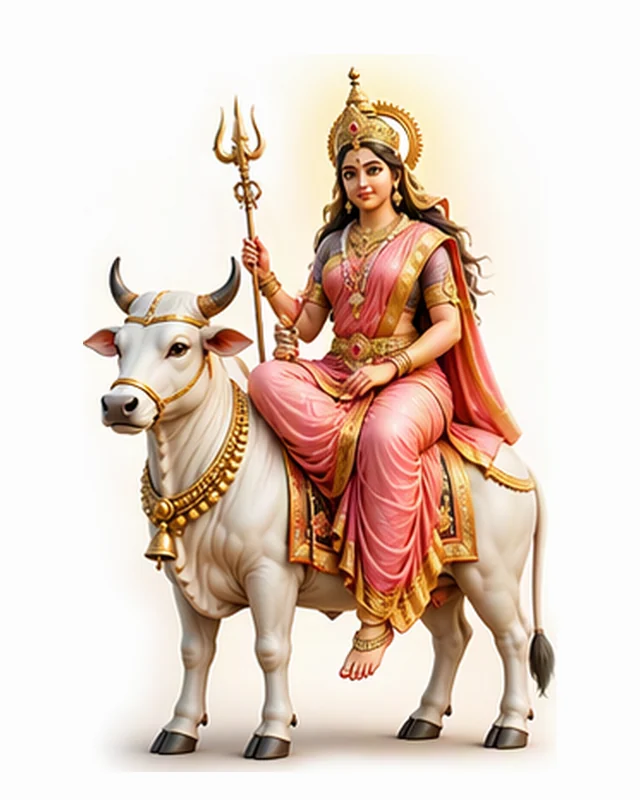
Day 1 ·
Maa Shailputri
The first form of Durga, worshipped on the opening day of Navratri right after Ghatasthapana.
- Colour
- Orange
- Bhog
- Pure desi ghee
- Vahan
- Bull (Nandi)
Shardiya Navratri · Ashwin Shukla Paksha
–
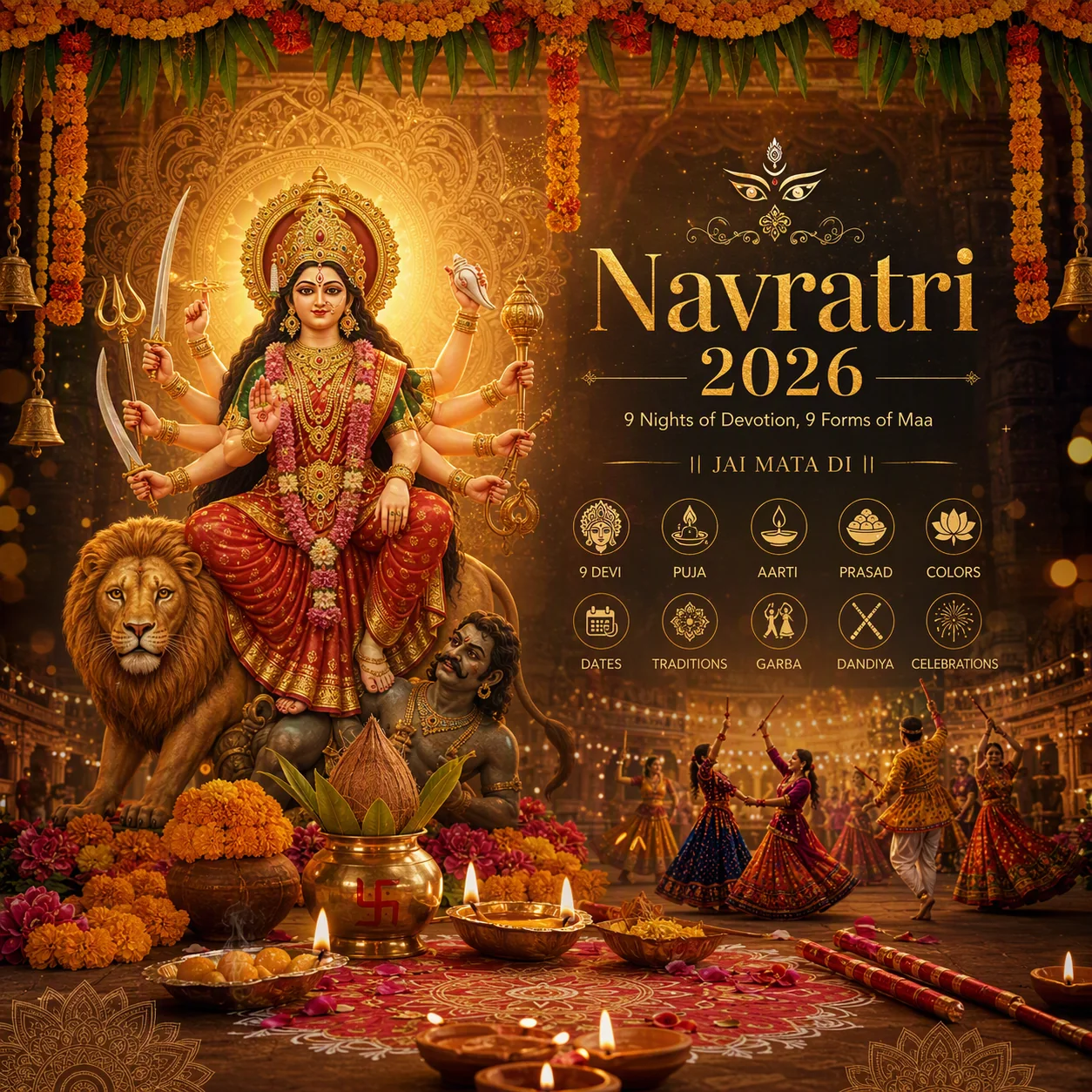
Nine nights, nine forms of Maa Durga. This guide brings together the 2026 dates and panchang, a page for each Devi with her mantra, aarti and bhog, the colour for each day, the Ghatasthapana muhurat, Durga Puja, Vijayadashami and the Garba nights that fill the season.
Ghatasthapana begins in
Your Navratri guide
Start with the dates, then read about each Devi, the puja steps and the celebrations that follow.
Navratri 2026 dates
Shardiya Navratri starts on Sunday, 11 October with Ghatasthapana on Pratipada tithi and continues for nine nights until Monday, 19 October. Vijayadashami (Dussehra) follows on Tuesday, 20 October.
| S | M | T | W | T | F | S |
|---|---|---|---|---|---|---|
| 1 | 2 | 3 | ||||
| 4 | 5 | 6 | 7 | 8 | 9 | 10 |
| 11Day 1 | 12Day 2 | 13Day 3 | 14Day 4 | 15Day 5 | 16Day 6 | 17Day 7 |
| 18Day 8 | 19Day 9 | 20Dussehra | 21 | 22 | 23 | 24 |
| 25 | 26 | 27 | 28 | 29 | 30 | 31 |
Timings are for New Delhi. Muhurat and tithi can shift by a few minutes, and sometimes by a day, in other cities and regional panchangs.
Day-wise schedule
Each day is dedicated to one form of the Goddess, together known as Navadurga. In 2026 Saptami tithi runs across two sunrises, 17 and 18 October, so Ashtami and Navami are both observed on 19 October. Swipe through the journey from Shailputri to Siddhidatri.
Navadurga
Meet each Devi worshipped during Navratri. Open a card for her full story, puja steps, mantra, aarti and the timings for her day.
Day 1 ·
The first form of Durga, worshipped on the opening day of Navratri right after Ghatasthapana.
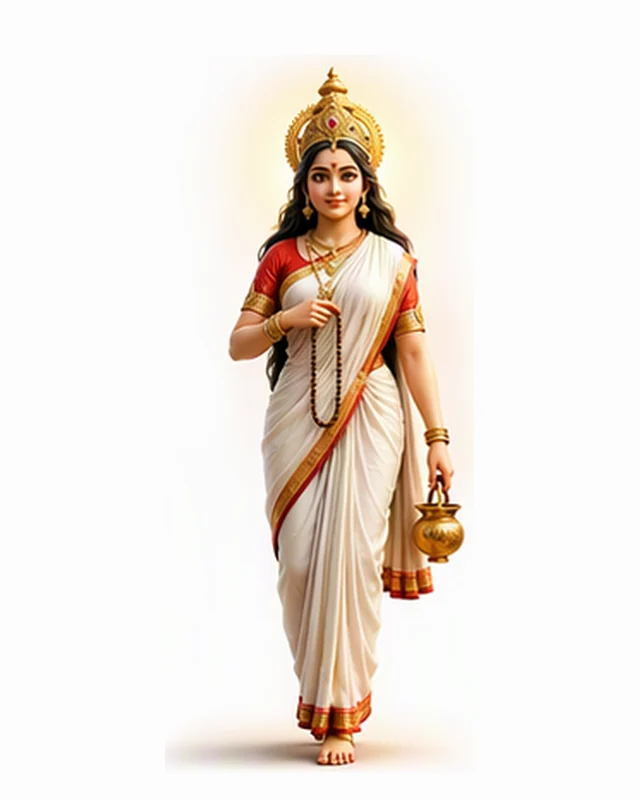
Day 2 ·
Parvati as a young ascetic, worshipped on the second day for patience and self-discipline.
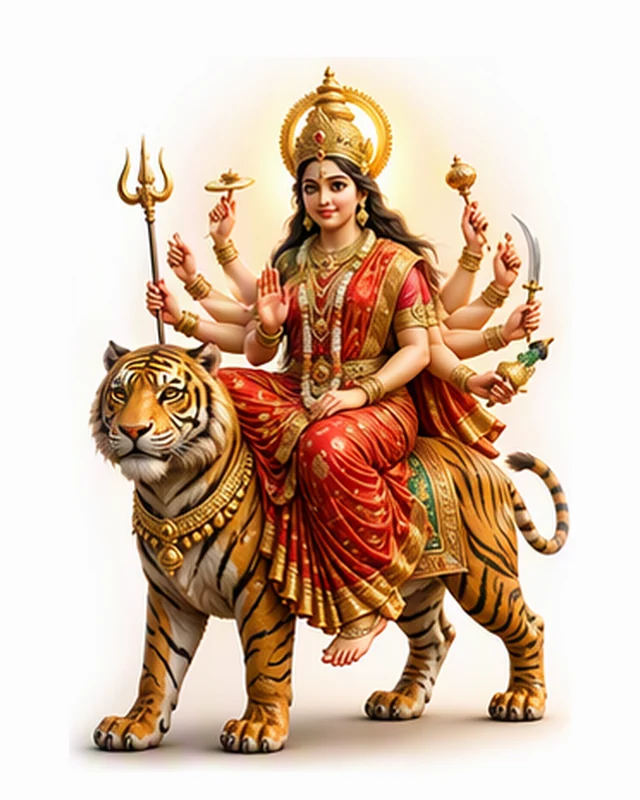
Day 3 ·
The ten-armed form with a bell-shaped half moon on her forehead, worshipped for courage.
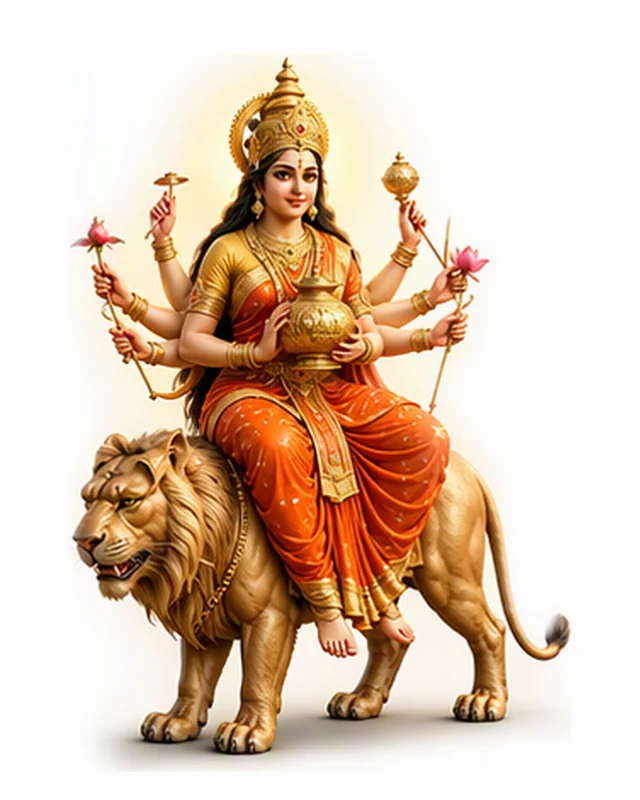
Day 4 ·
The goddess who is said to have created the universe with her smile, worshipped on the fourth day.
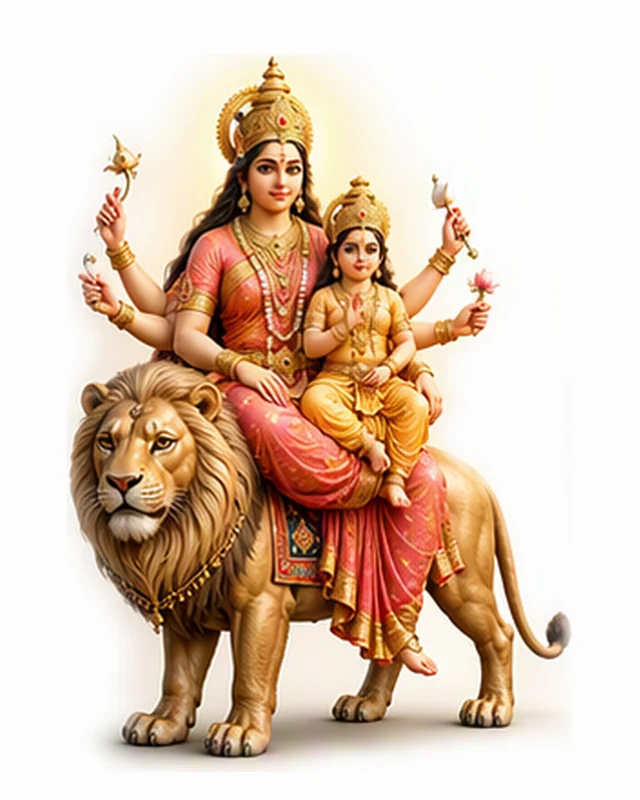
Day 5 ·
The mother of Skanda (Kartikeya), worshipped on the fifth day for the well-being of children and family.
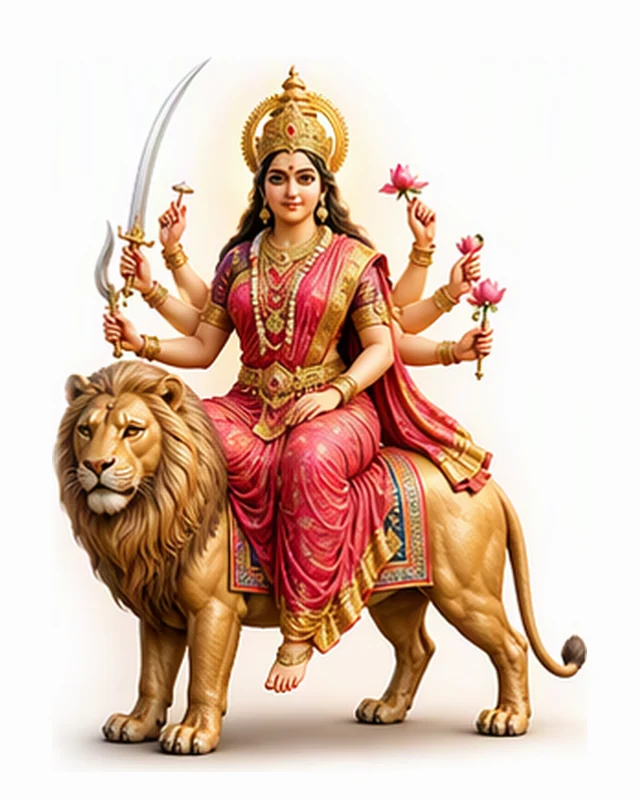
Day 6 ·
The warrior form of Durga who defeated Mahishasura, worshipped on the sixth day.
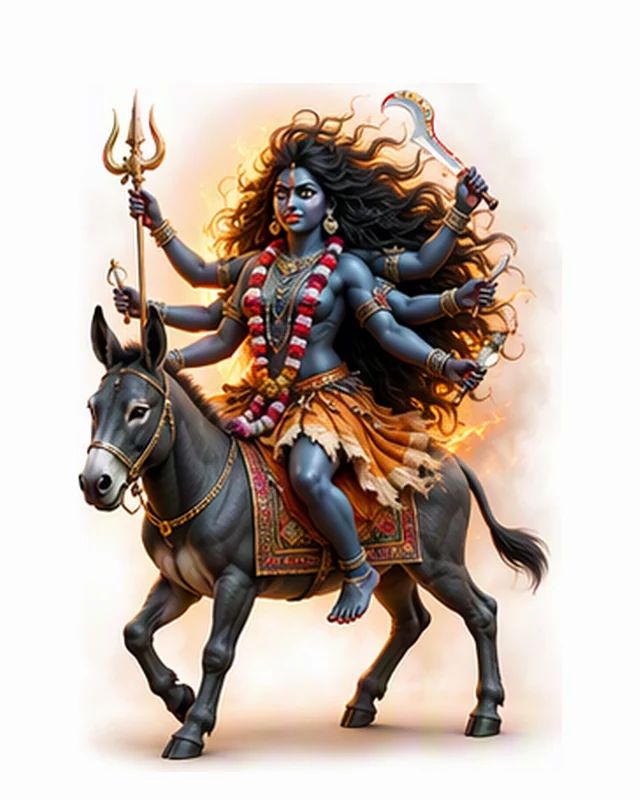
Day 7 ·
The fiercest of the nine forms, who destroys fear and darkness. She is worshipped on Saptami.
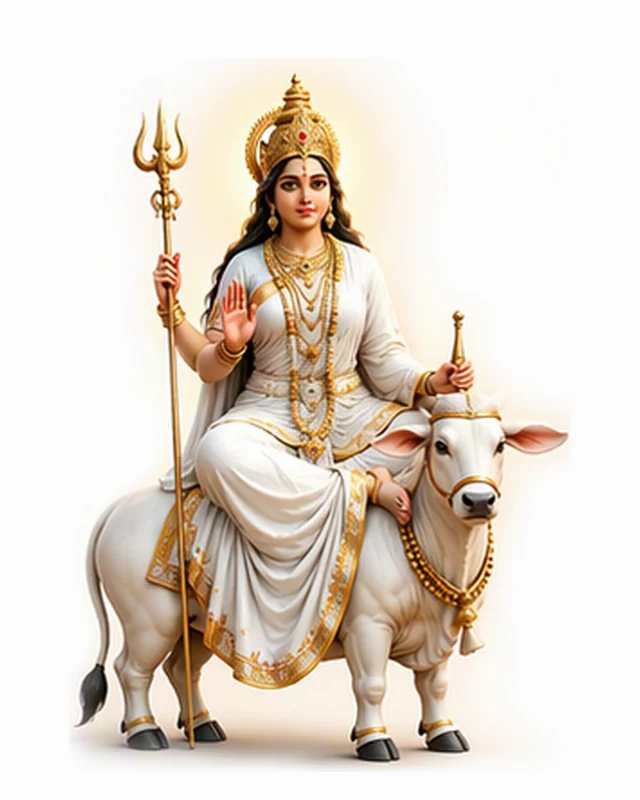
Day 8 ·
The radiant, fair form of Parvati, linked with purity and calm and with Durga Ashtami.
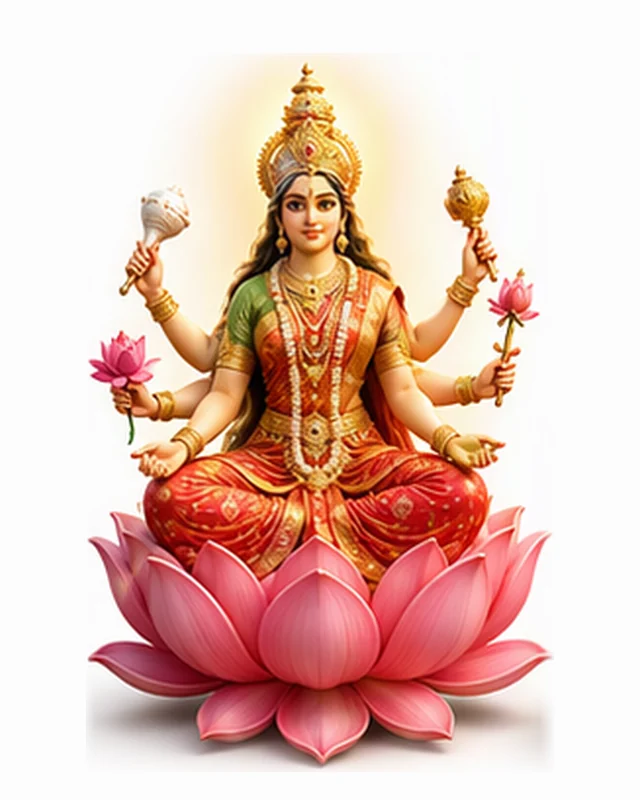
Day 9 ·
The giver of siddhis, worshipped on the last day of Navratri along with Kanya Pujan and havan.
Navratri colours 2026
The popular colour sequence starts from the weekday on which Navratri begins. Since 2026 opens on a Sunday, Day 1 is orange. During the festival, today’s colour is highlighted for you.
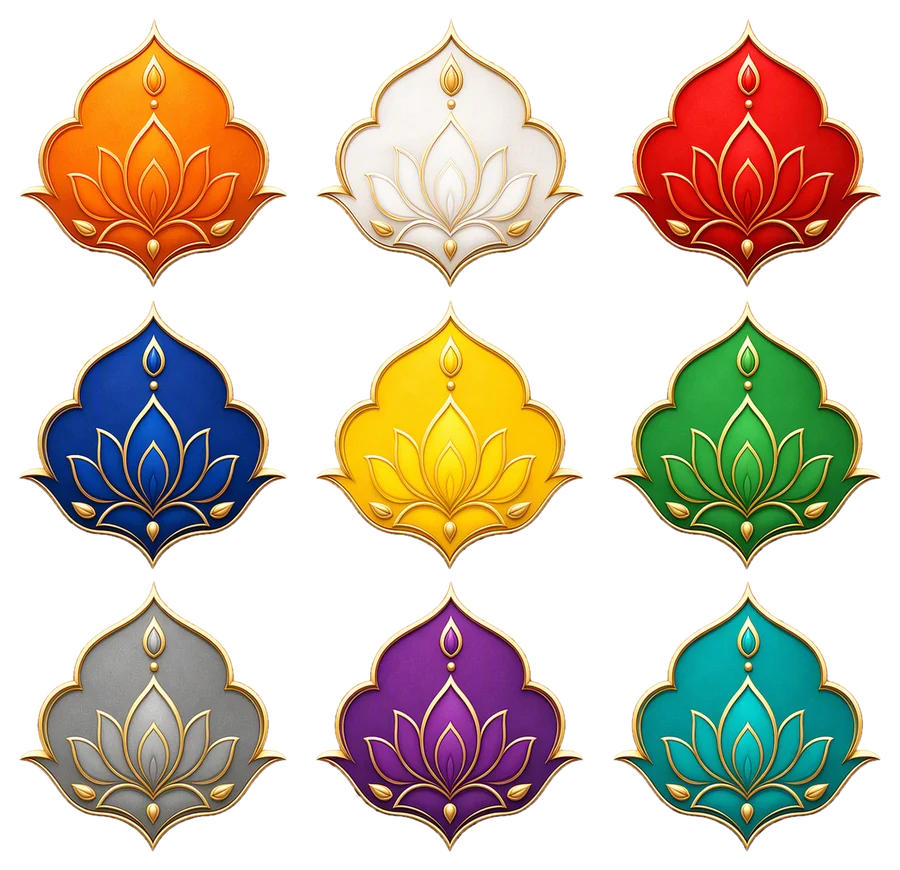
Colour lists vary slightly between sources and regions. Wear what feels right to you; devotion matters more than the shade.
Ghatasthapana 2026
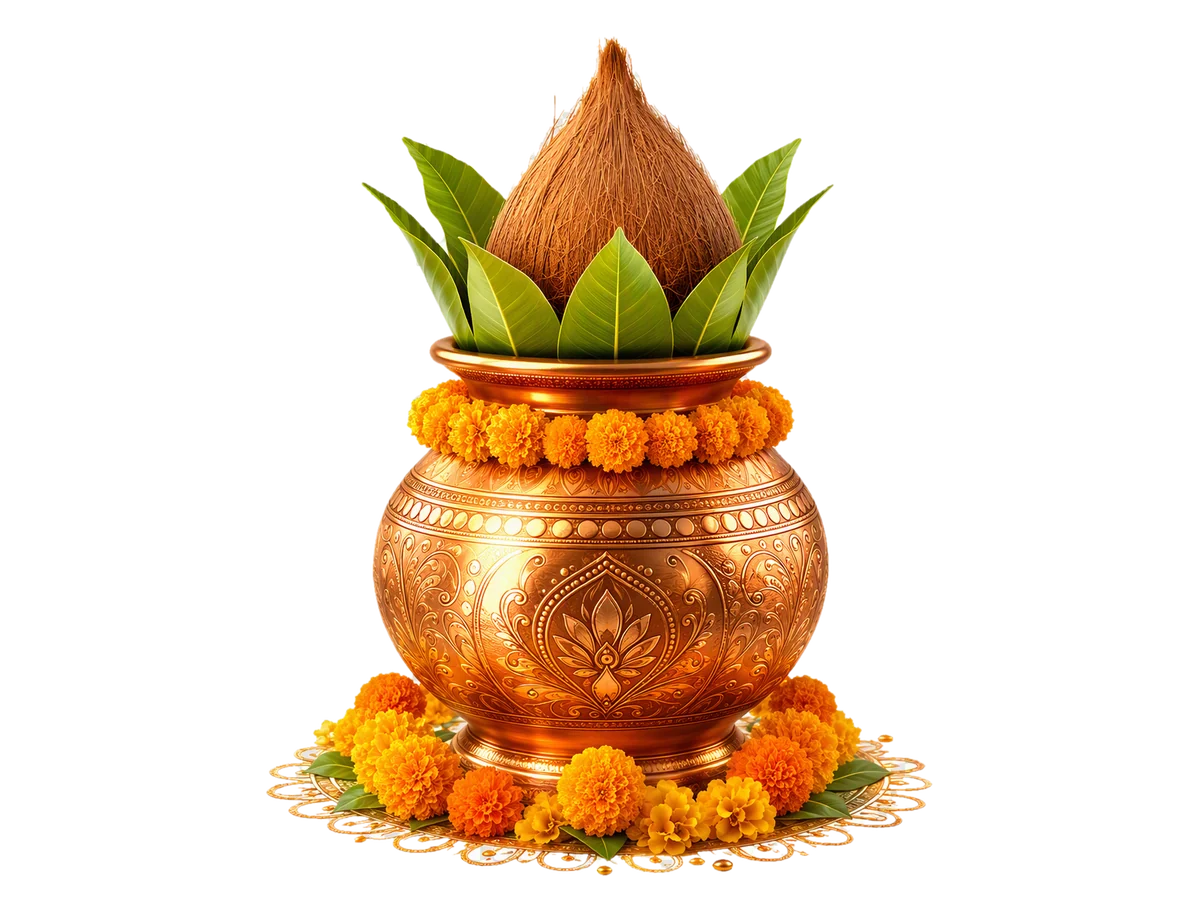
Ghatasthapana is the ritual that opens Navratri. A kalash filled with holy water is placed beside a bed of sown barley, inviting the Goddess into the home for all nine days. It is done on Pratipada, ideally in the morning muhurat.
New Delhi timings. Rahu Kaal on 11 October is 4:28 PM – 5:56 PM, well after the morning muhurat.
Navratri ritual
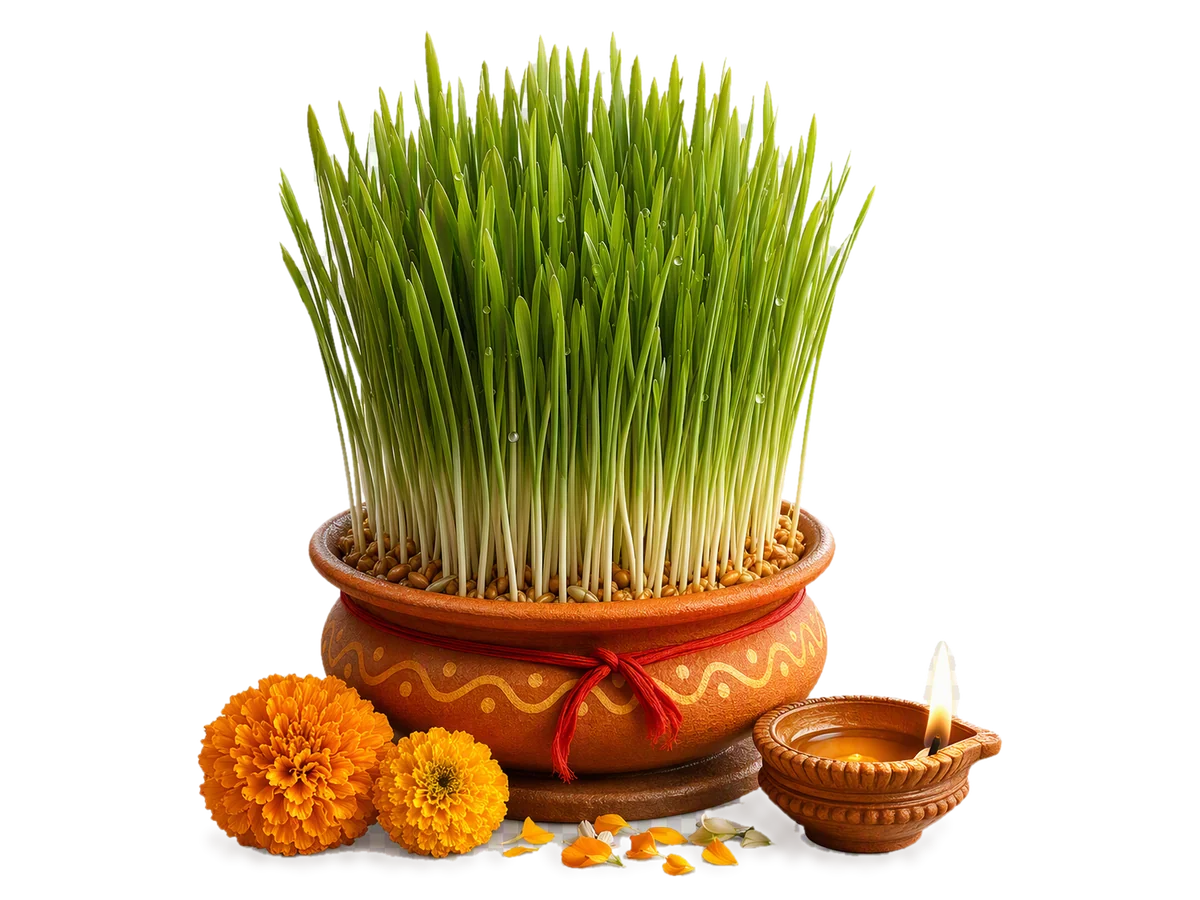
Khetri is a traditional Navratri ritual in which barley seeds are sown and allowed to grow during the nine days of the festival. The green sprouts are kept as a symbol of growth, prosperity and new beginnings.
Barley seeds are sown in a small clay pot or vessel.
The seeds are watered lightly and kept in a suitable place.
The sprouts grow during the nine days of Navratri.
The grown Khetri is traditionally used during the Navratri worship.
Celebrations
After the evening aarti, the music starts. From Gujarat to every big city in India and abroad, Navratri nights belong to circles of dancers moving to the dhol.
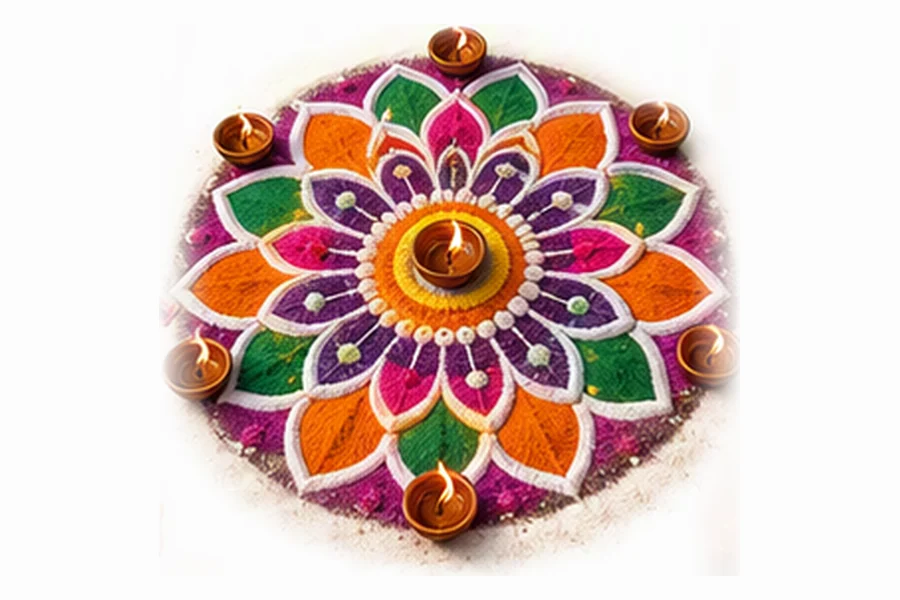
The name comes from garbha, the womb. Dancers move in circles around a lamp or the Goddess's image, a reminder that life turns in cycles. Claps, spins and simple step patterns like do-taali and teen-taali make it easy for anyone to join.
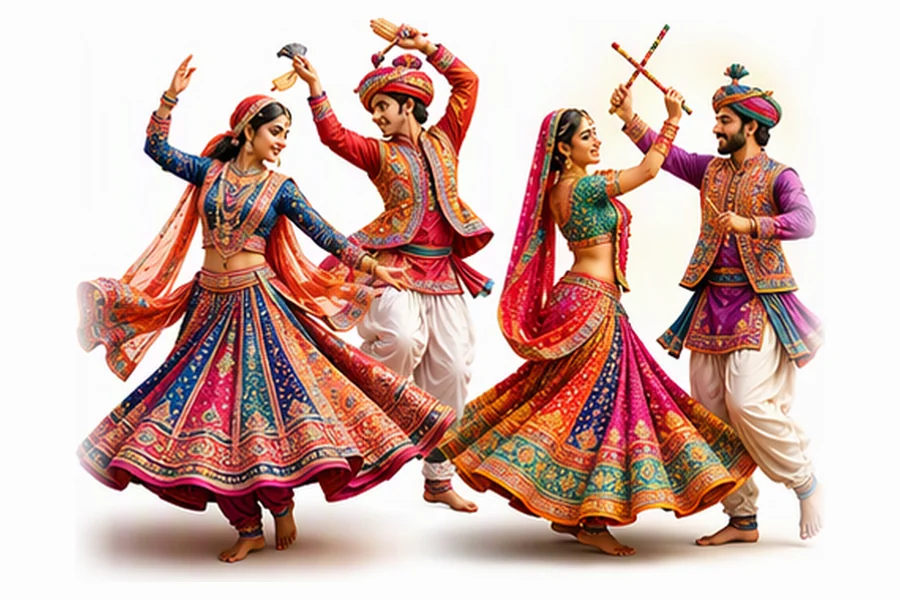
Played in pairs with decorated wooden sticks, Dandiya recreates the battle between Maa Durga and Mahishasura; the sticks stand for her sword. Lines of partners strike in rhythm, rotate and meet new partners, and the tempo climbs as the night goes on.
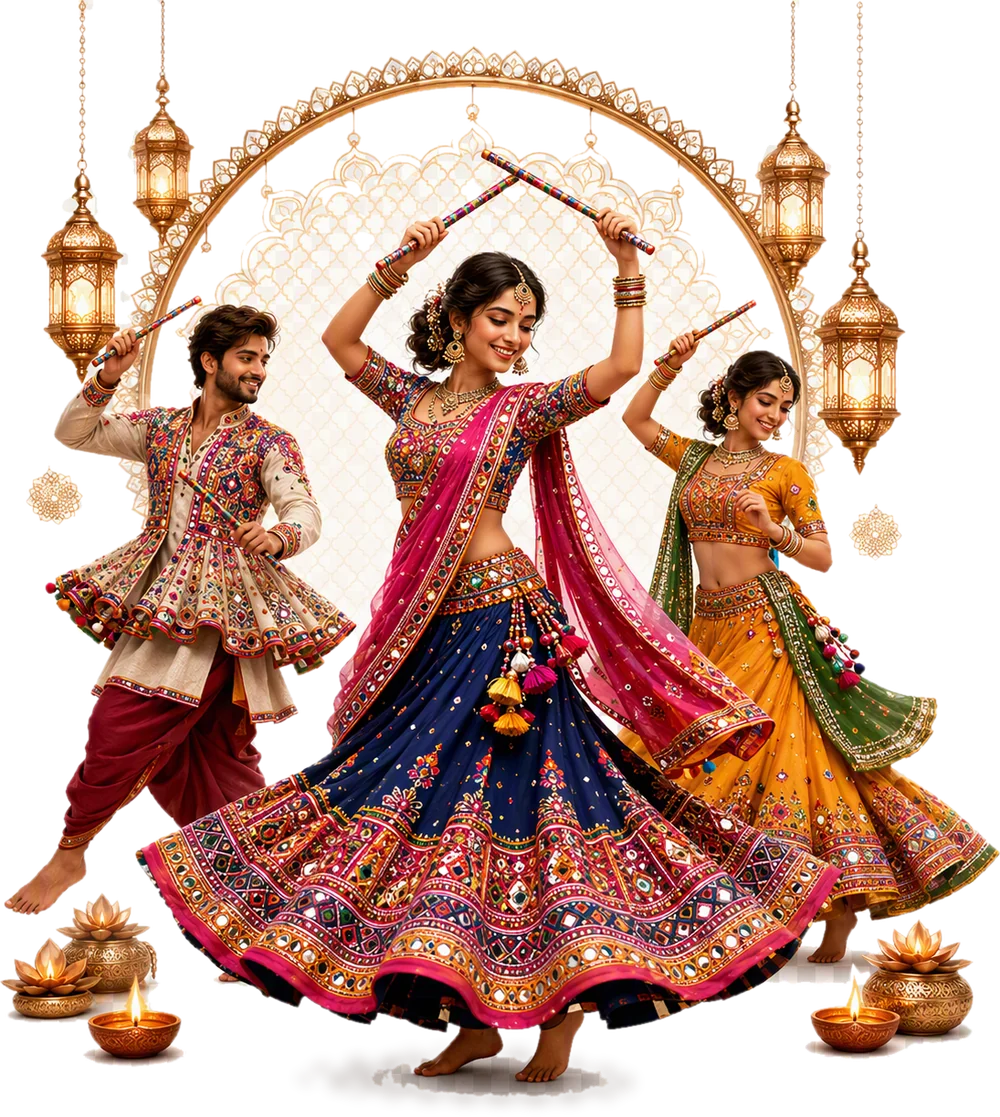
Most Garba and Dandiya events run on all nine evenings. The weekend nights, Sunday 11 October and 17–18 October, are usually the busiest.
Navratri prasad
Each form of the Goddess is offered a simple, sattvik bhog. After the puja it is shared as prasad with family and neighbours.
After the nine nights
The last days of Navratri bring the biggest celebrations of the season.
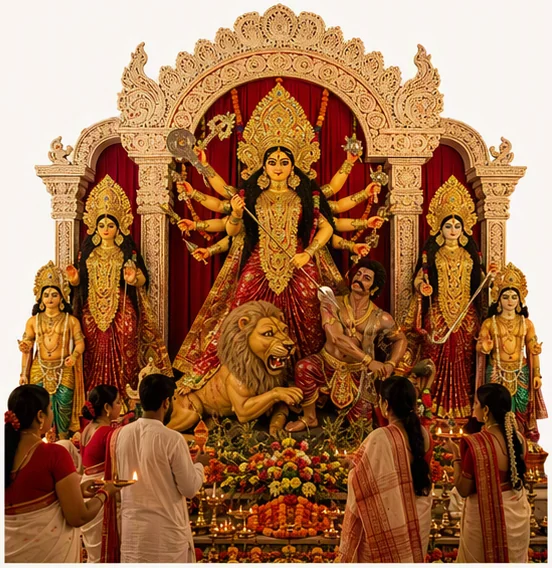
In Bengal and eastern India, the Goddess arrives in grand pandals for Shashthi to Dashami. In 2026 Sandhi Puja falls on 19 October at 10:28 AM – 11:16 AM, and Bengal's Bijoya Dashami and Durga Visarjan fall on 21 October.
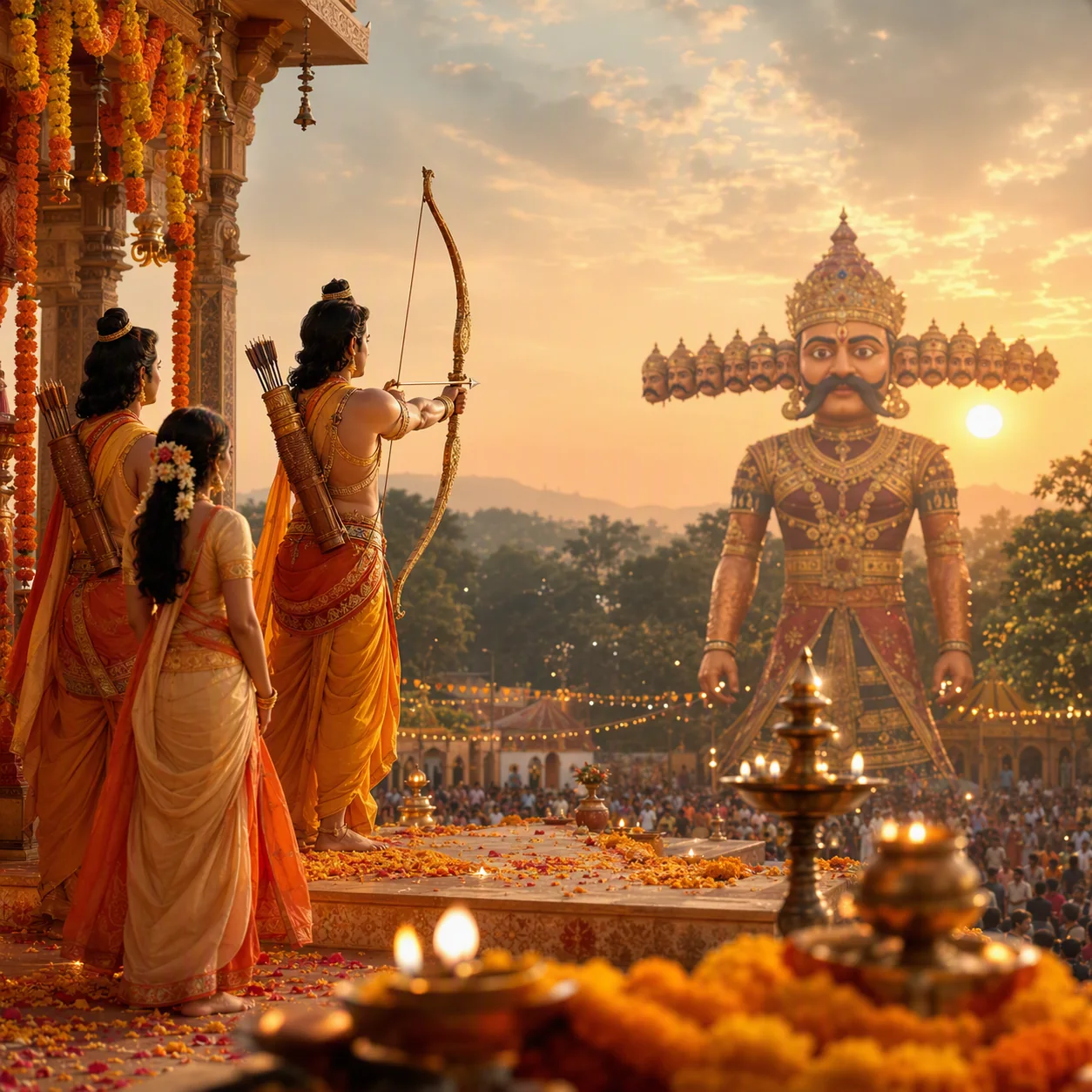
Vijayadashami falls on Tuesday, 20 October. The Vijay Muhurat in New Delhi is 1:59 PM – 2:44 PM, and Ravan Dahan follows after sunset at 5:46 PM.
Quick answers
Shardiya Navratri 2026 starts on Sunday, 11 October with Ghatasthapana and ends on Monday, 19 October. Vijayadashami (Dussehra) is on Tuesday, 20 October.
In New Delhi the Ghatasthapana muhurat on 11 October is 6:19 AM to 10:11 AM. The Abhijit muhurat, 11:44 AM to 12:30 PM, can be used if you miss the morning window.
Most North Indian calendars keep Durga Ashtami on Monday, 19 October. Ashtami tithi ends at 10:52 AM that day and Navami begins, so Maha Navami and Kanya Pujan are on the same day. In Bengal, Maha Ashtami is also 19 October.
Sandhi Puja is on 19 October from 10:28 AM to 11:16 AM IST, the 48 minutes around the change from Ashtami to Navami. Because it depends on the tithi, the time is the same across India.