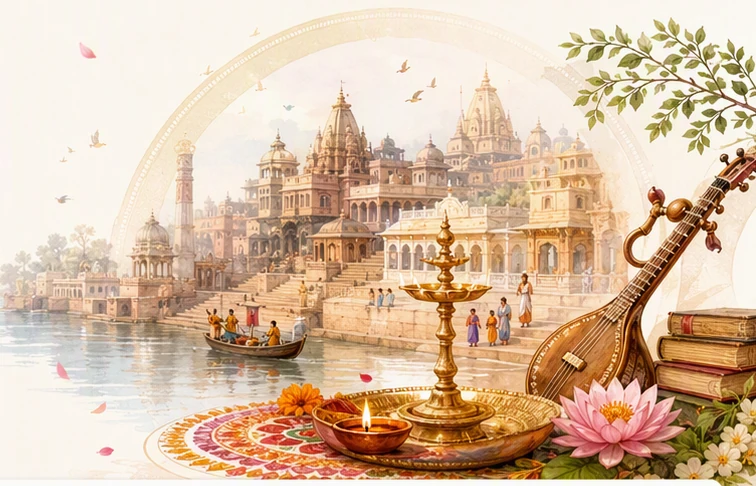
- Hindu months
- Phalgun and Chaitra
- Maha Shivratri
- Saturday, 6 March
- Amavasya
- Monday, 8 March (Phalgun, Somvati)
- Purnima
- Monday, 22 March (Phalgun)
- Holi
- Monday, 22 March
- Hola Mohalla
- 23–25 March
Finding a date: the table below lists this month's festivals and vrats by date. Tap a name to see its timings and details, or to open its full guide. “Back to the list” after each festival brings you back to the table.
March 2027 at a glance
| Date | Festival or vrat |
|---|---|
| Wed 3 | Vijaya Ekadashi |
| Fri 5 | Pradosh Vrat |
| Sat 6 | Maha Shivratri |
| Mon 8 | Phalgun Amavasya · Somvati Amavasya |
| Wed 10 | Eid-ul-Fitr (expected) |
| Mon 15 | Sangrand: Chet begins · Meena Sankranti |
| Thu 18 | Amalaki Ekadashi |
| Sat 20 | Shani Pradosh Vrat |
| Sun 21 | Holika Dahan |
| Mon 22 | Rangwali Holi (Central Government holiday 23 March) |
| Mon 22 | Phalgun Purnima |
| Tue 23 – Thu 25 | Hola Mohalla |
| Thu 25 | Sankashti Chaturthi |
| Fri 26 | Good Friday |
| Sun 28 | Easter Sunday |
| Mon 29 | Sheetala Saptami |
| Tue 30 | Sheetala Ashtami (Basoda) |
Festivals with their own guide are linked. Pradosh Vrat and Sankashti Chaturthi come every month and are explained once in our 2027 festival calendar. Eid-ul-Fitr is described below; other festivals of the month are not covered on this page.
Maha Shivratri
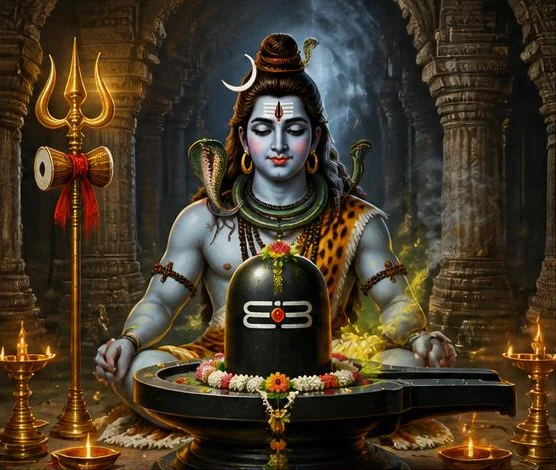
Saturday, 6 March 2027. Of the Shivratris that come every month, the one on the Krishna Chaturdashi of Phalgun is Maha Shivratri, the great night of Lord Shiva and the biggest Shivratri of the year. Tradition links it with the wedding of Shiva and Parvati and with Shiva's appearance as an endless pillar of light. Devotees fast through the day and keep a vigil at night, worshipping the Shivling through the four prahars with water, milk and bel leaves and chanting "Om Namah Shivaya". The most important puja is at Nishita Kaal, the middle of the night, which in New Delhi falls from 12:07 to 12:57 AM on the night of 6–7 March.
The stories, puja vidhi and Nishita Kaal timing are in our Mahashivratri 2027 guide.
Eid-ul-Fitr (Meethi Eid)
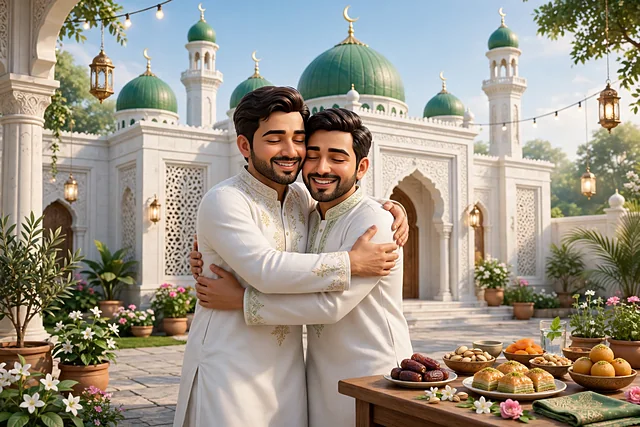
Expected: Wednesday, 10 March 2027 (1 Shawwal).
Expected date — the exact date depends on the sighting of the moon and may shift by a day.
Why it is celebrated
Eid-ul-Fitr is the festival of joy and thanksgiving at the close of Ramzan, the month of fasting. It falls on the first day of Shawwal, when the new moon is sighted and a new month begins. Because of the sevaiyan and sweets made in every home, it is also called Meethi Eid. Before the Eid prayer, fitra is given so that no home is left without the festival, and the patience, kindness and sharing practised through Ramzan are carried forward into the rest of the year.
How it is celebrated today
The night before is Chaand Raat: once the moon is sighted, markets stay busy late into the night with shopping for clothes and bangles, and women and girls have mehndi applied. In the morning families put on new clothes and gather at the mosque or the open Eidgah for the special Eid namaz. Fitra is given to those in need before the prayer. Homes make sevaiyan and sheer khurma, and guests are welcomed with sweets. Elders give Eidi to children, and everyone embraces and wishes each other "Eid Mubarak" as relatives and friends visit one another.
Watch the video on the festival page
Read the full Eid-ul-Fitr guide: date, timing, traditions and FAQs.
Holika Dahan and Holi
Holika Dahan is on the night of Sunday, 21 March, and Rangwali Holi, the festival of colours, on Monday, 22 March; the Central Government holiday for Holi is on Tuesday, 23 March. The dates, the story of Prahlad, the Holika puja and how Holi is played across India are in our Holi guide.
Hola Mohalla
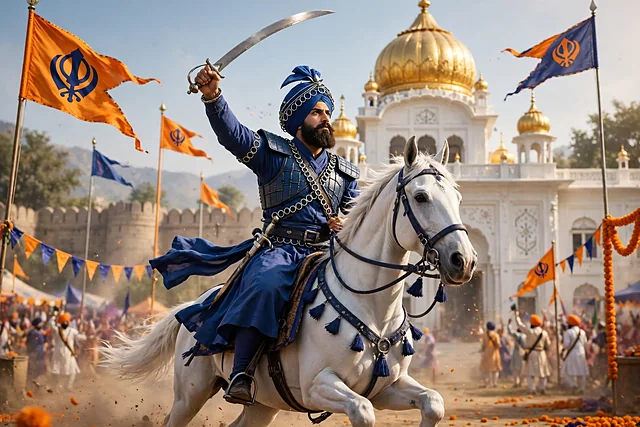
Tuesday 23 to Thursday 25 March 2027, at Sri Anandpur Sahib in Punjab. Hola Mohalla follows Holi but has its own identity in the Sikh tradition; it is also held at Kiratpur Sahib and in gurdwaras around the world.
Why it is celebrated
Hola Mohalla celebrates courage, readiness for self-defence and the strength of the community, and shows them through sport and traditional arts. It brings people together in discipline, organisation and unity, through processions, kirtan and seva. The spirit of seva is seen above all in the langar, where everyone who comes is served food, without any distinction. Tradition holds that the festival was begun at Anandpur Sahib, where it has been held ever since.
How it is celebrated today
Over three days, lakhs of devotees gather around Takht Sri Kesgarh Sahib at Anandpur Sahib for kirtan and katha. Nihang Singhs in traditional blue and saffron give displays of gatka, horse riding and other traditional martial arts, presented as an art of balance, skill and courage. An organised nagar kirtan moves through the town with drums, nagaras and the Nishan Sahib. Kavi darbars, gatherings of poets, have been part of the festival from the start, and langar is served to everyone, sitting together, free of charge.
More in our Hola Mohalla guide.
Dates and timings for 2027
Timings are for New Delhi (IST), as given in our 2027 festival calendar and Holi guide. Eid-ul-Fitr follows the Islamic lunar calendar, so its date is settled only when the moon is sighted.
All 2027 festivals, vrats, Purnima, Amavasya and Sangrand dates are in our 2027 festival calendar.
Questions about March 2027 festivals
When is Mahashivratri in 2027?
On Saturday, 6 March 2027. The Nishita puja in New Delhi is from 12:07 to 12:57 AM on the night of 6–7 March.
When is Eid-ul-Fitr in 2027?
It is expected on Wednesday, 10 March 2027. The exact date depends on the sighting of the moon and may shift by a day.
When is Holi in 2027?
Holika Dahan is on the evening of Sunday, 21 March 2027 (muhurat 6:33 – 8:55 PM, New Delhi), and Rangwali Holi on Monday, 22 March, as in Drik Panchang. The Central Government's 2027 holiday list marks the Holi holiday on Tuesday, 23 March.
When is Hola Mohalla in 2027?
From Tuesday 23 to Thursday 25 March 2027, at Sri Anandpur Sahib in Punjab.
Festival customs vary by region and family. Follow the practice of your own family and temple where it differs from what is written here.