Winter
December to February
TyoharKosh · A–Z
Every festival guide on TyoharKosh in one place: the A–Z list, festivals through the year, traditions, and how festival dates are worked out.
Welcome
India is a land of festivals, where every month brings an opportunity to celebrate our traditions, culture, and beliefs. Festivals are more than just celebrations; they remind us to connect with our inner strength, nurture our spiritual connection with the divine, and welcome positivity into our lives.
Celebrating festivals with our families brings happiness, strengthens our bonds, and inspires us to grow with gratitude, hope, and positivity. At TyoharKosh, we share meaningful information about Indian festivals, including their dates, significance, traditions, puja vidhi, mantras, aarti, and Panchang timings, so you can understand and celebrate every festival with your loved ones.
Browse
Season by season
India celebrates something in almost every season. Festivals with a published guide are linked; the rest are on our list and will be added one at a time.
December to February
February to April
April to June
July to September
September to November
Months are approximate, because most festivals follow the lunar calendar and move a little each year.
Traditions
Behind every festival are customs that families have kept for generations. These are the ideas you will meet again and again across TyoharKosh.
The worship at the heart of most festivals, from a simple diya and flowers at home to elaborate temple rituals.
Example from NavratriA fast or vow kept for a day or several days, with its own rules on food and its own way of being completed.
Example from NavratriFood offered to the deity first and then shared. Each festival, and often each day, has its traditional offerings.
Example from NavratriSome festivals have colours of their own, from the nine colours of Navratri to the colours of Holi.
Example from NavratriThe same festival can look very different in Bengal, Gujarat, Tamil Nadu or Punjab. We note those differences wherever they matter.
Example from NavratriMusic, dance, fairs and community gatherings: Garba nights, Ramlila, processions and much more.
Example from NavratriDates & Panchang
Most Indian festivals follow the Hindu lunar calendar, so their dates change every year. A few Panchang ideas explain why, and each festival guide shows the actual timings for its own date.
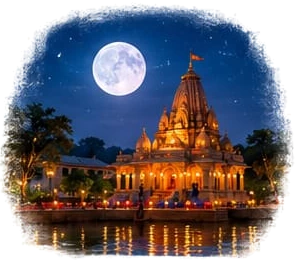
A festival is tied to a lunar day and month rather than a fixed calendar date, which is why it moves between years. Regional calendars can also place the same festival a day apart.
A tithi is a lunar day, measured by the distance between the sun and the moon. The tithi running at sunrise usually decides which day a festival is kept.
See it in the Navratri guideA muhurat is a window of time considered suitable for a ritual, such as kalash sthapana or a wedding. Each muhurat is worked out for a particular date and place.
See it in the Navratri guideThe Hindu day begins at sunrise, so the local sunrise time can decide the festival date and the start of morning muhurats.
See it in the Navratri guideSome vrats, such as Karwa Chauth and Sankashti Chaturthi, are completed only after the moon is seen, so the moonrise time matters on those days.
See it in the Navratri guideA daily period of about an hour and a half that, in traditional Panchang practice, many families avoid for starting important work.
See it in the Navratri guideSunrise, sunset, moonrise and Rahu Kaal for every festival day: November · December 2026 · Every date for 2027: 2027 festival calendar
Sangrand (from Sankranti) is the first day of each month in the Punjabi solar calendar, the day the sun moves into a new rashi. It comes every month, not once a year. In gurdwaras the sangat gathers to hear the Barah Maha, the verses of Guru Nanak Dev Ji and Guru Arjan Dev Ji on the twelve months, for the month that is beginning, and many families start the month with an ardas and karah prasad. Hindu families across North India keep the same day as Sankranti, with a holy bath and charity.

All 12 Sangrand dates for 2026 and 2027 are in our 2027 festival calendar, with the time the sun changes sign for 2027.
A note from us
Festival information on TyoharKosh is shared for general guidance and is put together from available Panchang and festival references. Dates, tithis, puja timings and other details can sometimes differ by location, by the Panchang a family follows and by regional tradition.
Wherever a time depends on the place, we say which place it is for. Please check time-sensitive details locally before you plan a ritual or ceremony. We want this site to be useful, and we never want it to mislead anyone.