- Comes
- Twice a month, on the 11th tithi
- Dedicated to
- Lord Vishnu
- Saphala Ekadashi 2027
- Sunday, 3 January
- Shattila Ekadashi 2027
- Tuesday, 2 February
- Papmochani Ekadashi 2027
- Friday, 2 April
- Mohini Ekadashi 2027
- Sunday, 16 May
- Nirjala Ekadashi 2027
- Monday, 14 June
- Devshayani Ekadashi 2027
- Wednesday, 14 July (Chaturmas begins)
- 2027 Ekadashi dates
- All 25 listed below
- Parana times
- In the table below (New Delhi)
What is Ekadashi?
Ekadashi is the eleventh tithi of each fortnight, so it comes twice a month and usually 24 times a year, with two more in a year that has an extra (adhik) month. Each one has its own name and story, and all of them are dedicated to Lord Vishnu. The Ekadashi fast is among the most widely kept vrats in Hindu homes.
How Ekadashi began
The tradition of Ekadashi begins, the Padma Purana tells us, with the demon Mura. Mura had grown arrogant and troubled the gods, and he came to challenge Lord Vishnu himself. As the confrontation reached its height, a radiant goddess emerged from Vishnu's own divine energy and freed the world from Mura's menace. Pleased, Lord Vishnu blessed her: “You appeared on the eleventh day (Ekadashi tithi), so you shall be known by the name Ekadashi — and whoever observes the vrat of this tithi with devotion will find life's burdens and sins lightened.” That first Ekadashi is remembered as Utpanna Ekadashi (Margashirsha Krishna Paksha), the mother of all Ekadashis.
Through the year there are 24 Ekadashis — two in each month — and in a year with Adhik Maas, two more (Padmini and Parama) are added, making 26. Each carries its own name, its own katha and its own emphasis — from Nirjala, the waterless fast of Jyeshtha, to Devshayani, when Vishnu's Chaturmas rest begins, and Prabodhini (Dev Uthani), when he awakens.
How the fast is kept
- Eat a light, sattvik meal on Dashami, the day before, and avoid rice that evening.
- On Ekadashi, take a sankalpa in the morning and keep the fast in the way your family follows: nirjala (without water), with water only, or with fruit and milk (phalahar). Grains and beans are avoided.
- Worship Lord Vishnu with tulsi leaves, yellow flowers, a ghee diya and fruit, and read or listen to the katha of that Ekadashi. Many people chant the Vishnu Sahasranama.
- Spend the night in prayer or bhajan if you can.
- Break the fast (parana) on Dwadashi, the next morning, within the time the panchang gives. Offer food to someone in need before eating.
Household (Smarta) and Vaishnava calendars sometimes keep the same Ekadashi a day apart. Pregnant women, the elderly and anyone unwell usually keep a lighter fast, which is fully in keeping with the vrat.
Vishnu mantra
ॐ नमो भगवते वासुदेवाय॥
Om Namo Bhagavate Vasudevaya.
The twelve-syllable mantra of Vishnu, chanted through the day.
Saphala Ekadashi
Saphala Ekadashi is the Ekadashi of the dark half of Paush (Margashirsha in the amanta calendar), usually in December or January. "Saphala" means fruitful, and fruits are the main offering.
The katha tells of Lumpaka, the wayward son of King Mahishmat of Champavati, who was sent away to live in the forest. One bitter winter night he fainted from the cold, and on Ekadashi he could not bring himself to eat the fruit he had gathered, so he left it at the foot of a peepal tree for the Lord and spent the night awake. Without meaning to, he had kept the fast. Lord Vishnu forgave him, and he returned home to rule well.
Shattila Ekadashi

Shattila Ekadashi falls in the dark half of Magh (Paush in the amanta calendar), usually in January or February. Its name means "six uses of til", because sesame is used in six ways on this day: bathing in water with til, rubbing til paste on the body, offering til in the havan, offering til with water (tarpan), eating til, and giving til in charity.
In the Bhavishya Uttara Purana, Pulastya Muni explains the vrat to the sage Dalbhya, saying that gifts of sesame on this day bring lasting merit. Black til is used for worship and the havan, and white til for food.
Papmochani Ekadashi
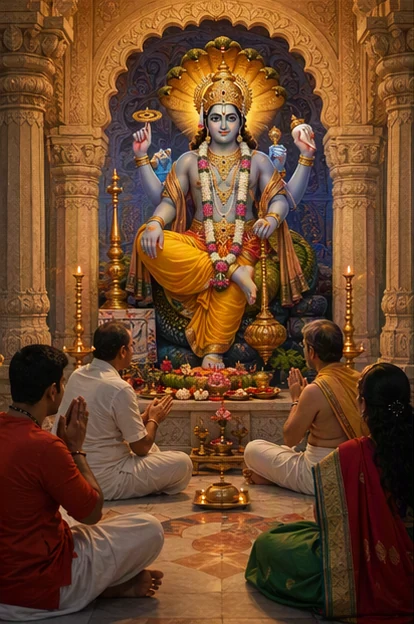
Papmochani Ekadashi, "the Ekadashi that frees from sin", falls in the dark half of Chaitra (Phalgun in the amanta calendar), between Holi and Chaitra Navratri, and is the last Ekadashi of the lunar year.
Its katha, told by Lord Krishna to Yudhishthira, is the story of the sage Medhavi, son of Chyavana Rishi, whose long penance was broken by the apsara Manjughosha. When he realised how many years had passed he cursed her, then learnt from his father that fasting on this Ekadashi would wash away the fault. Both kept the fast and both were freed.
Varuthini Ekadashi
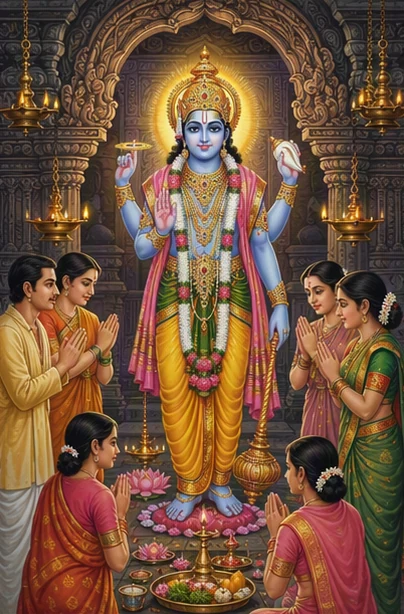
Sunday, 2 May 2027. Varuthini Ekadashi falls in the dark half of Vaishakha (Chaitra in the amanta calendar). Varuthin means protected, as if by armour, and the fast is believed to shield the devotee from misfortune.
Its story tells of King Mandhata, who ruled on the banks of the Narmada and was deep in penance in the forest when a bear seized his foot and dragged him away. He prayed to Vishnu, who saved him with the Sudarshan chakra, but the king had lost his leg. The Lord told him to keep Varuthini Ekadashi at Mathura and worship his Varaha form; Mandhata did so and was made whole. On this Ekadashi, families avoid eating on bronze plates, gambling, anger and sleep during the day, and give sesame, food and water in daan.
Mohini Ekadashi

Sunday, 16 May 2027. Mohini Ekadashi falls in the bright half of Vaishakha and is named after Mohini, the enchanting form Lord Vishnu took after the churning of the ocean. When the devas and asuras quarrelled over the pot of amrit, Mohini charmed the asuras and served the nectar to the devas, so that it would not fall into the wrong hands.
In the katha, the sage Vasishtha tells Lord Rama the story of Dhrishtabuddhi, a merchant's son of the city of Bhadravati who wasted his life in bad company and was thrown out by his family. Wandering in misery, he reached the ashram of the sage Kaundinya, who told him to keep the Mohini Ekadashi fast. He did, and was freed of his sins. The day is often kept with a night of kirtan and the reading of this story.
Apara Ekadashi
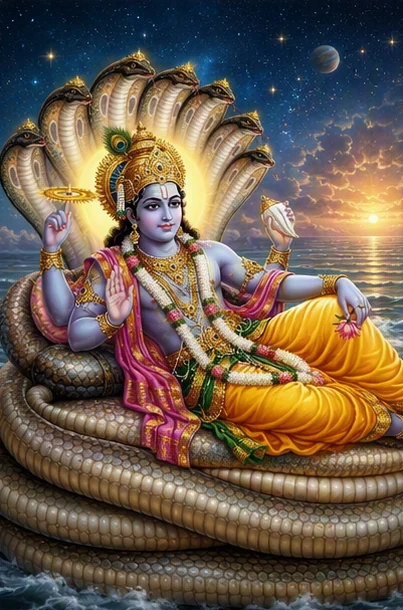
Tuesday, 1 June 2027. Apara Ekadashi, also called Achala Ekadashi, falls in the dark half of Jyeshtha (Vaishakha in the amanta calendar). Apara means boundless, and the fast is said to bring boundless merit and fame.
Its story is of King Mahidhwaja, a just ruler who was murdered by his jealous younger brother Vajradhwaja and buried beneath a pipal tree. His restless spirit troubled everyone who passed, until the sage Dhaumya kept the Apara Ekadashi fast and gave its merit to him, freeing him to reach heaven. Many people worship Lord Trivikrama (Vamana) on this day.
Nirjala Ekadashi

Monday, 14 June 2027 (Vaishnava calendars: Tuesday, 15 June). Nirjala Ekadashi, in the bright half of Jyeshtha, is the strictest Ekadashi of the year: nirjala means without water. It is also called Bhimseni or Pandava Ekadashi. Bhima, who could not bear hunger, asked the sage Vyasa how he could gain the merit of the Ekadashi fasts. Vyasa told him to keep just this one, without food or even water, from sunrise until sunrise the next day, and it would bring him the merit of all twenty-four.
- The fast: no food or water from sunrise on 14 June until the parana after sunrise on 15 June. Water used for achaman in the puja is allowed.
- Daan: because the fast falls in the hottest weeks of the year, the classic gifts are pots of water, sharbat, fans, umbrellas, mangoes and clothes. Many people set up stalls of cold water and sharbat for passers-by.
- Worship: Vishnu puja with tulsi, chanting "Om Namo Bhagavate Vasudevaya" and staying awake at night in kirtan.
A waterless fast in June heat is hard on the body. Children, the elderly, pregnant women and anyone with diabetes, low blood pressure, kidney trouble or another health condition should not go without water; they can keep the vow with fruit and water, or with a single simple meal, and do the puja and daan in full.
Yogini Ekadashi

Wednesday, 30 June 2027. Yogini Ekadashi falls in the dark half of Ashadha (Jyeshtha in the amanta calendar), the last Ekadashi before Devshayani Ekadashi and the start of Chaturmas on 14 July.
Its story is of Hemamali, a gardener who served Kubera, the king of wealth, by bringing him flowers each morning for his worship of Shiva. One day, lost in the company of his wife, he failed to bring the flowers, and Kubera cursed him with a disease of the skin and banished him. After long wandering he met the sage Markandeya, who told him to keep the Yogini Ekadashi fast. Hemamali kept it and was cured. The fast is believed to bring health and to remove the effects of past wrongs.
Devshayani Ekadashi
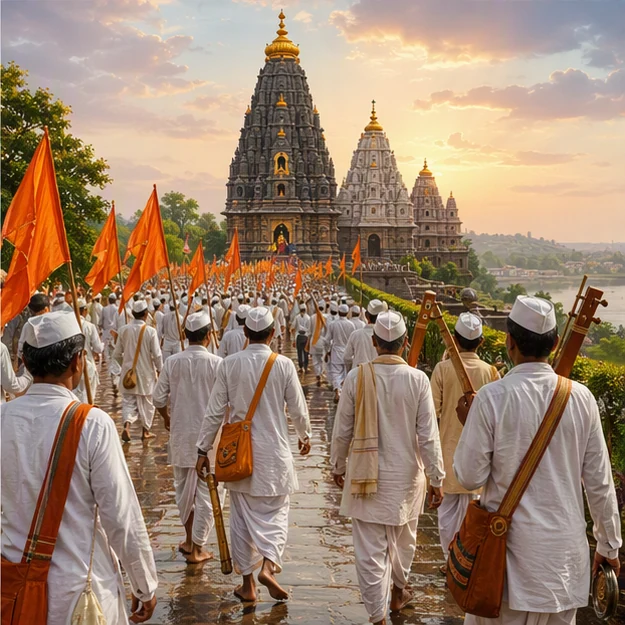
Wednesday, 14 July 2027. Devshayani Ekadashi, the Ekadashi of the bright half of Ashadha, is also called Ashadhi Ekadashi, Hari Shayani or Padma Ekadashi. On this day Lord Vishnu is said to lie down on Shesha in the ocean of milk and go into his yoga nidra, the divine sleep, for four months. These months are Chaturmas, which end when he wakes on Prabodhini (Dev Uthani) Ekadashi in Kartik. Many families avoid weddings, griha pravesh and other new beginnings during Chaturmas, and many people give up a food or a habit for the four months as a vow.
In Maharashtra this is the day of the Pandharpur wari. For about three weeks, lakhs of warkaris walk from Alandi and Dehu with the palkhis (palanquins) of Sant Dnyaneshwar and Sant Tukaram, singing abhangs, to reach Pandharpur for the darshan of Lord Vitthal on Ashadhi Ekadashi. The katha of the day tells of King Mandhata, whose kingdom suffered three years of drought; the sage Angiras told him to keep this Ekadashi, and the rains came.
Kamika Ekadashi
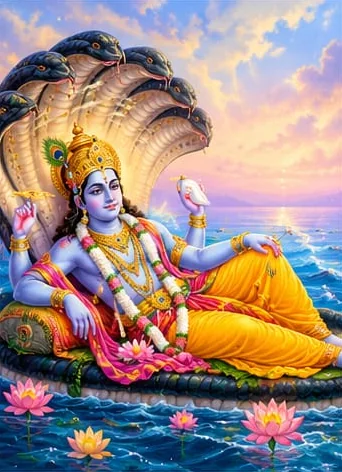
Thursday, 29 July 2027 (Vaishnava calendars: Friday, 30 July). Kamika Ekadashi falls in the dark half of Shravana (Ashadha in the amanta calendar), the first Ekadashi of Chaturmas. Lord Krishna tells Yudhishthira that worshipping Vishnu with tulsi leaves on this day, and lighting a lamp of ghee or sesame oil before him, brings more merit than great pilgrimages.
Its story is of a short-tempered landowner who killed a Brahmin in a quarrel and was shunned by everyone. A sage told him that keeping Kamika Ekadashi with a pure heart and worshipping Lord Vishnu with tulsi would free him from the sin, and it did. In 2027 the Ekadashi tithi begins after sunrise on 29 July and ends before sunrise on the 30th, which is why Smarta and Vaishnava calendars keep it on different days.
Shravana Putrada Ekadashi
Thursday, 12 August 2027 (Vaishnava calendars: Friday, 13 August). Putrada Ekadashi, "the Ekadashi that grants a son", comes twice a year: in Paush and in the bright half of Shravana. This one is also called Pavitra Ekadashi. Couples who long for a child keep the fast and worship Lord Vishnu together.
The katha tells of King Mahijit of Mahishmati, a good king who had no child. The sage Lomasha saw that in a past life the king had driven a thirsty cow away from water. He advised the king and all his people to keep Shravana Putrada Ekadashi and give its merit to the king; they did, and a son was born to the queen.
Aja Ekadashi
Saturday, 28 August 2027. Aja Ekadashi, also called Annada Ekadashi, falls in the dark half of Bhadrapada (Shravana in the amanta calendar), four days after Janmashtami.
Its story is of King Harishchandra, famous for never breaking his word. Having given away his kingdom to keep a promise, he sold his wife and son and worked as a servant at a cremation ground. In his misery he met the sage Gautama, who told him to keep Aja Ekadashi. Harishchandra kept the fast, his trials ended, his family was restored to him and he regained his kingdom.
Parivartini Ekadashi
Saturday, 11 September 2027. Parivartini Ekadashi falls in the bright half of Bhadrapada, in the middle of Chaturmas. Parivartan means turning: Lord Vishnu, asleep since Devshayani Ekadashi, is said to turn onto his other side on this day, so it is also called Parshva Ekadashi. In Rajasthan and Madhya Pradesh it is Jaljhulni Ekadashi or Dol Gyaras, when temple idols are carried in decorated palanquins to a lake or river.
The katha is the story of Lord Vamana and King Bali, which Krishna tells Yudhishthira: how Vishnu came as a dwarf Brahmin, asked Bali for three steps of land and covered the worlds, and then blessed the generous king. The same story is at the heart of Onam, which follows the next day.
Indira Ekadashi
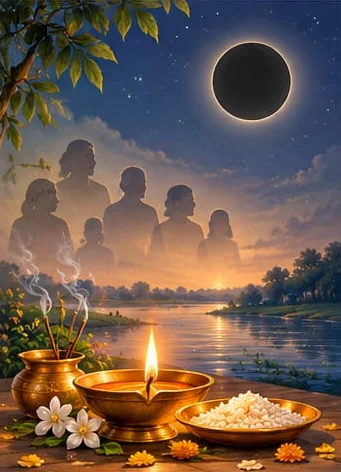
Sunday, 26 September 2027. Indira Ekadashi falls in the dark half of Ashwin, in the middle of Pitru Paksha, the fortnight of the ancestors. Its merit is offered to one's forefathers, and many families perform the shraddha of those who passed away on an Ekadashi on this day.
The katha tells of King Indrasena of Mahishmati. The sage Narada came to him with a message from his late father, who was suffering in the realm of Yama because of a broken vow. Narada told the king to keep Indira Ekadashi and offer its merit to his father; Indrasena did so with his whole family, and his father was freed and went to Vishnu's abode.
Other Ekadashis on TyoharKosh
Ekadashis already covered in our month pages: Papankusha Ekadashi, Dev Uthani Ekadashi, Utpanna Ekadashi and Mokshada Ekadashi and Gita Jayanti. Every Ekadashi of 2027 is in the table below and in our 2027 festival calendar.
Dates and timings for 2027
All Ekadashis in 2027
| Ekadashi | Smarta (household) | Vaishnava | Note | Parana (New Delhi) |
|---|---|---|---|---|
| Saphala Ekadashi | Sun 3 Jan | Same day | Mon 4 Jan, 7:15–9:19 AM | |
| Paush Putrada Ekadashi | Mon 18 Jan | Tue 19 Jan | Tue 19 Jan, 1:35–3:42 PM | |
| Shattila Ekadashi | Tue 2 Feb | Same day | Wed 3 Feb, 7:09–9:19 AM | |
| Jaya Ekadashi | Wed 17 Feb | Same day | Thu 18 Feb, 6:58–9:13 AM | |
| Vijaya Ekadashi | Wed 3 Mar | Thu 4 Mar | Thu 4 Mar, 2:03–4:03 PM | |
| Amalaki Ekadashi | Thu 18 Mar | Fri 19 Mar | Fri 19 Mar, 7:14–8:52 AM | |
| Papmochani Ekadashi | Fri 2 Apr | Sat 3 Apr | Sat 3 Apr, 1:40–4:10 PM | |
| Kamada Ekadashi | Sat 17 Apr | Same day | Sun 18 Apr, 5:53–7:42 AM | |
| Varuthini Ekadashi | Sun 2 May | Same day | Mon 3 May, 5:39–8:19 AM | |
| Mohini Ekadashi | Sun 16 May | Same day | Mon 17 May, 5:30–8:13 AM | |
| Apara Ekadashi | Tue 1 Jun | Same day | Wed 2 Jun, 5:24–8:10 AM | |
| Nirjala Ekadashi | Mon 14 Jun | Tue 15 Jun | Tue 15 Jun, 1:45–4:33 PM | |
| Yogini Ekadashi | Wed 30 Jun | Same day | Thu 1 Jul, 5:27–8:14 AM | |
| Devshayani Ekadashi | Wed 14 Jul | Same day | Chaturmas begins | Thu 15 Jul, 5:33–8:19 AM |
| Kamika Ekadashi | Thu 29 Jul | Fri 30 Jul | Fri 30 Jul, 1:49–4:31 PM | |
| Shravana Putrada Ekadashi | Thu 12 Aug | Fri 13 Aug | Fri 13 Aug, 1:45–4:24 PM | |
| Aja Ekadashi | Sat 28 Aug | Same day | Sun 29 Aug, 5:58–8:31 AM | |
| Parivartini Ekadashi | Sat 11 Sep | Same day | Sun 12 Sep, 6:05–8:34 AM | |
| Indira Ekadashi | Sun 26 Sep | Same day | In Pitru Paksha | Mon 27 Sep, 6:12–8:36 AM |
| Papankusha Ekadashi | Mon 11 Oct | Same day | Tue 12 Oct, 6:20–8:39 AM | |
| Rama Ekadashi | Mon 25 Oct | Tue 26 Oct | Tue 26 Oct, 1:12–3:27 PM | |
| Prabodhini (Dev Uthani) Ekadashi | Wed 10 Nov | Same day | Tulsi Vivah next day | Thu 11 Nov, 6:40–8:50 AM |
| Utpanna Ekadashi | Wed 24 Nov | Same day | Thu 25 Nov, 6:52–8:58 AM | |
| Mokshada Ekadashi | Thu 9 Dec | Fri 10 Dec | Gita Jayanti · Vaikuntha Ekadashi | Fri 10 Dec, 1:16–3:20 PM |
| Saphala Ekadashi | Thu 23 Dec | Same day | Fri 24 Dec, 7:11–9:15 AM |
Parana times are for the household (Smarta) fast in New Delhi. They follow the usual rule: break the fast on Dwadashi after sunrise and after Hari Vasara (the first quarter of Dwadashi), in the morning; when Hari Vasara runs late, after midday instead. We worked them out from sunrise and the Dwadashi times, and the ones for Apara, Nirjala and Yogini Ekadashi match the New Delhi times published by Sanatan Bodh to the minute. In other cities they move with sunrise. Vaishnava (ISKCON) parana follows the Vaishnava fast date, and for Paush Putrada and Kamada Ekadashi it depends on the day your panchang keeps.
Where the Vaishnava column shows a later date, ISKCON and other Vaishnava calendars keep the fast a day after household (Smarta) calendars. For Paush Putrada and Kamada Ekadashi the tithi touches the next sunrise for only a short time (about 35 minutes on 19 January and three and a half hours on 17 April), and published panchangs split between the two days, so follow your family's panchang or temple. The fast is broken on Dwadashi after sunrise; the 2027 parana times for New Delhi are in the table below.
Timings are for New Delhi (IST). Checked against PanchangBodh (New Delhi, Smarta and Vaishnava), Shri Mahalaxmi Calendar and our own tithi calculation.
All 2027 festivals, vrats, Purnima, Amavasya and Sangrand dates are in our 2027 festival calendar.
Questions about Ekadashi vrat
When are Saphala, Shattila and Papmochani Ekadashi in 2027?
Saphala Ekadashi is on Sunday, 3 January 2027, Shattila Ekadashi on Tuesday, 2 February, and Papmochani Ekadashi on Friday, 2 April (Saturday, 3 April in Vaishnava calendars).
What can I eat during an Ekadashi fast?
Fruit, milk, curd, nuts, and vrat foods such as sabudana, singhara, kuttu and potato, cooked with sendha namak. Grains, rice, beans and lentils are avoided. Some people keep a nirjala fast, without even water.
When should the Ekadashi fast be broken?
On Dwadashi, the next morning, after sunrise and within the parana time given in your panchang. The 2027 Ekadashi dates are listed on this page; the 2027 parana times for New Delhi are in the table on this page.
Why is sesame used on Shattila Ekadashi?
The name itself means six uses of til. Bathing with til, til paste, a til havan, til tarpan, eating til and giving til are all part of the day.
Which Ekadashi is the last of the Hindu year?
Papmochani Ekadashi, in the dark half of Chaitra, is the last Ekadashi before the lunar new year begins with Chaitra Navratri.
When is Nirjala Ekadashi in 2027?
On Monday, 14 June 2027 in household (Smarta) calendars, and on Tuesday, 15 June in Vaishnava calendars such as ISKCON's. The Ekadashi tithi runs from 2:11 AM on 14 June to 2:07 AM on 15 June.
Is it safe to keep the Nirjala fast without water?
Only for healthy adults, and with care in the heat. Children, the elderly, pregnant women and anyone with a health condition should take water, and can keep the vow with fruit or one simple meal.
When does Chaturmas begin in 2027?
Chaturmas begins with Devshayani Ekadashi on Wednesday, 14 July 2027, and ends when Lord Vishnu wakes on Prabodhini (Dev Uthani) Ekadashi in Kartik, which the 2027 table below gives as Wednesday, 10 November.
What is the Pandharpur wari?
The walking pilgrimage of the warkaris of Maharashtra, who carry the palkhis of Sant Dnyaneshwar from Alandi and Sant Tukaram from Dehu to Pandharpur, reaching the temple of Lord Vitthal for Ashadhi (Devshayani) Ekadashi.
Festival customs vary by region and family. Follow the practice of your own family and temple where it differs from what is written here.